Fed Chair Warsh Faces Credibility Test Amid Inflation Pressure
Persistent inflation and tariff uncertainty are forcing the Federal Reserve chairman into a defining moment on interest rate policy.
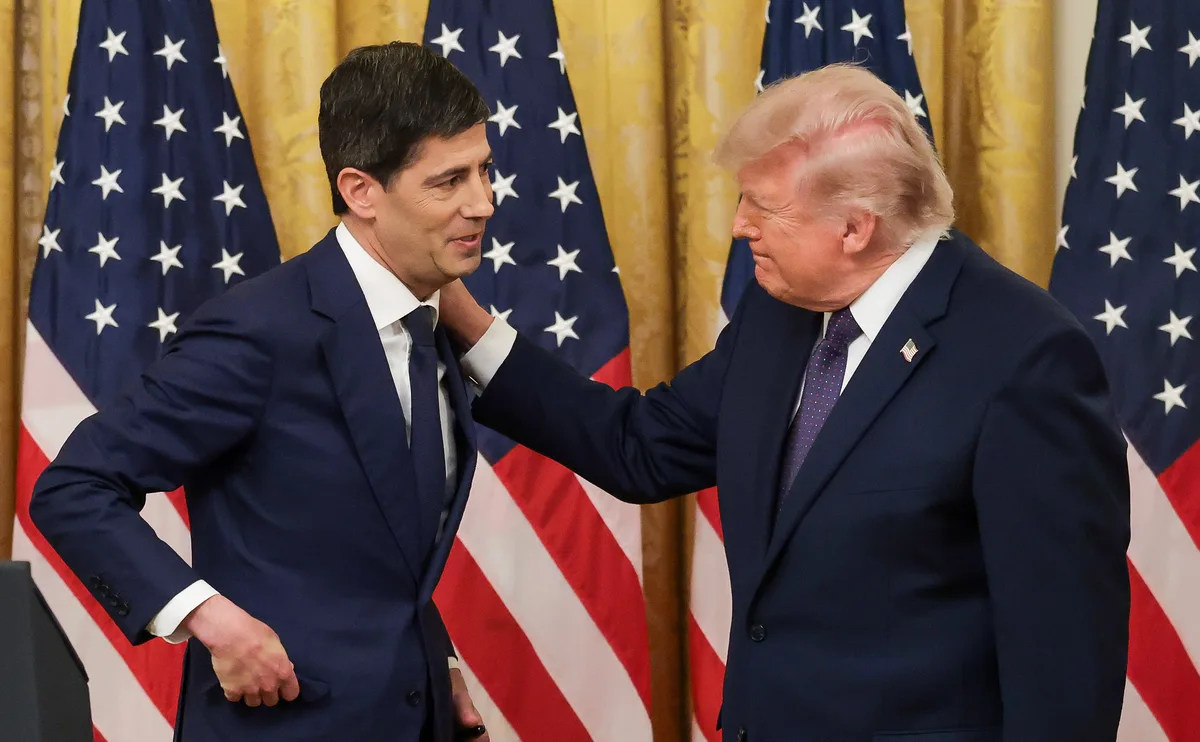
Federal Reserve Chair Kevin Warsh confronts a pivotal test of his leadership this week as elevated inflation, volatile tariff policy, and unstable energy prices converge to pressure the central bank toward raising interest rates — a move that would echo the difficult decisions faced by his predecessors.
Inflation remains above the Fed's target, giving policymakers little room to hold rates steady without risking a loss of credibility. The absence of any clear downward trajectory in oil prices compounds the challenge, removing one potential relief valve that central bankers have historically relied upon when seeking to justify a patient stance.
Read more Fed Credibility Test Looms as Trump Policies Pressure Rate Path →
Tariff policy imposed by the Trump administration adds another layer of complexity. With no clear resolution or stability in the trade landscape, the Fed faces the difficult task of calibrating monetary policy against cost pressures that are, in part, politically driven rather than the product of traditional economic cycles. That distinction matters: rate hikes designed to offset policy-induced inflation carry their own risks and political sensitivities.
The situation places Warsh in territory that tested predecessors including Paul Volcker, Alan Greenspan, and Jerome Powell — each of whom faced moments when the central bank's independence and anti-inflation resolve were scrutinized by markets, lawmakers, and the public alike. How Warsh responds this week is likely to shape expectations for Fed policy well beyond the immediate meeting, influencing bond markets, the dollar, and broader investor sentiment.
Central bank credibility, once lost, is historically difficult to restore, making the stakes of this week's deliberations unusually high for both the institution and the broader economy. Continue reading at Finance.