Fed Credibility Test Looms as Trump Policies Pressure Rate Path
Inflation above target and tariff uncertainty are putting the Federal Reserve chairman's credibility on the line this week.
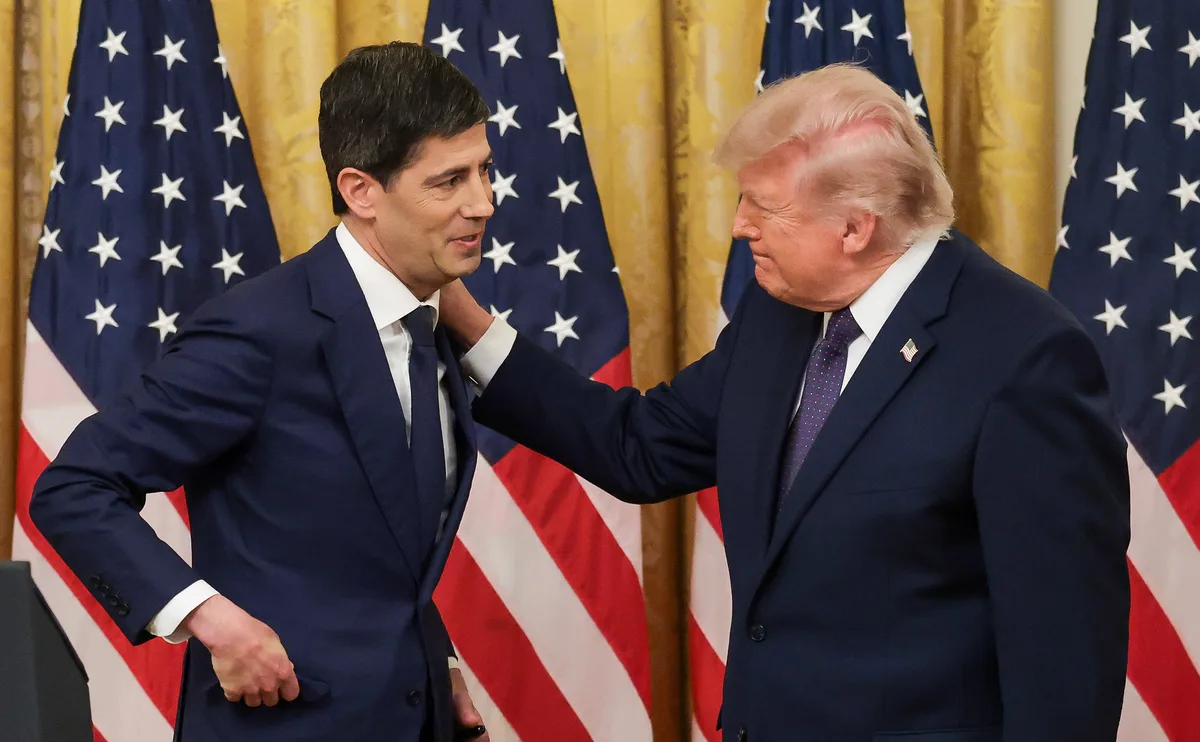
Federal Reserve Chairman Kevin Warsh faces a defining moment this week as a confluence of economic pressures — stubborn above-target inflation, unpredictable tariff policy, and volatile energy markets — intensifies scrutiny on the central bank's next move on interest rates.
The challenge Warsh confronts is not new to the Fed chair role. His predecessors have each, at critical junctures, been forced to demonstrate institutional independence and policy resolve when political headwinds pushed in one direction and economic data pointed in another. Whether Warsh can thread that needle now is the question markets and economists are watching closely.
Read more Fed Chair Warsh Faces Credibility Test Amid Inflation Pressure →
Tariffs introduced under the Trump administration have complicated the inflation outlook, adding cost pressures to supply chains at a moment when the Fed has yet to fully return price levels to its 2% target. With oil prices offering little downward relief, the Fed lacks the tailwind from energy deflation that might otherwise soften the case for tighter monetary policy.
The pressure to raise rates carries its own risks. A premature or politically motivated hike could slow economic growth and rattle labor markets, while inaction in the face of persistent inflation could erode the Fed's hard-won credibility as a price-stability institution. Central bank credibility, once lost, is historically difficult to reclaim — a lesson embedded in the institutional memory of the Fed since the inflation battles of the 1970s and early 1980s.
How Warsh navigates this week's deliberations may shape market expectations for the Fed's trajectory through the remainder of the year and set the tone for his tenure at the institution's helm. Continue reading at Finance.